
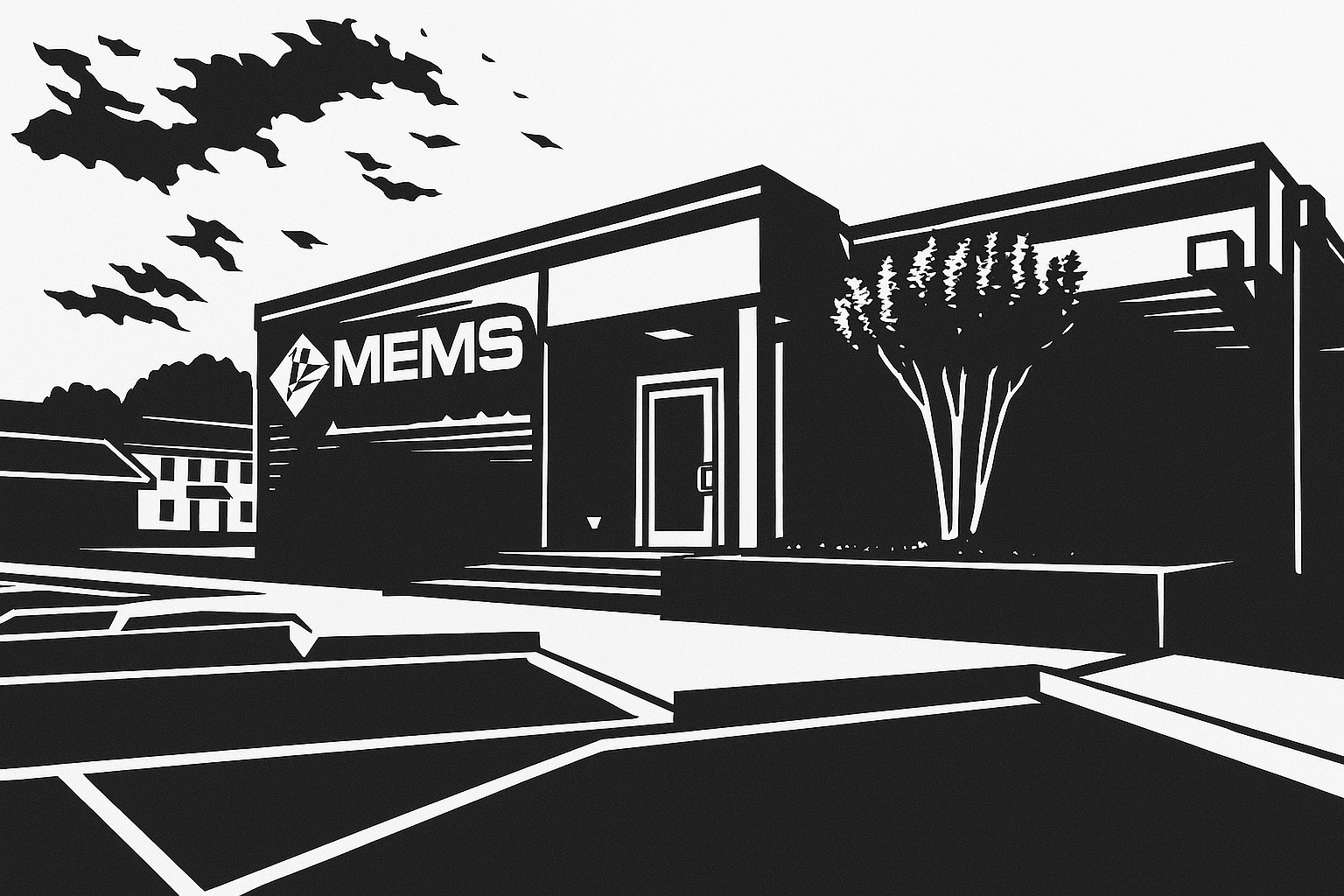
MEMS North Little Rock Hub
Project Type:
Backup Center / Disaster Recovery Site
Tech Stack:
Virtualization & Storage / Cloud Solutions / Data Backup & Disaster Recovery
My Role:
Design, Develop, Implement
Clients:
Microsoft, Veeam, Cisco, Juniper, Watchguard, Ubiquity, Dell, HP
Overview
For MEMS, continuity is mission-critical. This project focused on designing and deploying a dedicated Disaster Recovery (DR) site capable of sustaining operations during system failures, cyber incidents, or regional outages.
We led the end-to-end architecture and execution—from concept through production—building a modern DR environment using enterprise-grade technologies from Microsoft, Veeam, Cisco, Juniper, WatchGuard, Ubiquiti, Dell, and HP. The solution combined high-availability virtualization, resilient storage, secure networking, and automated backup and replication workflows.
The environment was engineered to:
- Provide rapid recovery of core systems and workloads
- Ensure data integrity and off-site protection
- Enable failover and business continuity during outages
- Meet compliance and operational resilience requirements
- Scale with future growth and infrastructure demands
APPROACH
Discovery
I’ll collaborate with clients to gather requirements and define project objectives.

01
Development
I’ll collaborate with clients to gather requirements and define project objectives.
02
Testing
I review the code with my team to discuss issues and confirm functionality before deployment.
03
Deploy
After the project launch, I'll manage the deployment and handle any support issues.

04
RESULT
This project transformed MEMS’ disaster recovery posture from a risk exposure into a strategic asset. The new DR site delivers confidence—systems are protected, recovery is predictable, and operations can continue even in worst-case scenarios.
From design and hardware selection to network architecture, security controls, backup strategy, and implementation, I owned every phase of this deployment. The result is a hardened, production-ready DR platform that aligns with enterprise best practices and real-world operational needs.
It’s a blueprint for how modern organizations should think about resilience: not as an afterthought, but as a core pillar of infrastructure strategy.
